

Artificial intelligence is transforming software development faster than ever before. As teams increasingly rely on AI coding agents to build, test, and optimize applications, managing backend changes has become a serious challenge.
Traditional development environments often force multiple agents to share the same database, creating conflicts, unreliable test results, and deployment risks. This is where Git-style backend branching changes the game. By creating Isolated development environments, developers can provide every agent with its own safe workspace. Through advanced Database branching and Environment isolation, teams can experiment freely, validate features faster, and protect production systems. The result is a more scalable, reliable, and efficient development workflow.
What Is Git-Style Backend Branching and Why AI Coding Agents Need It
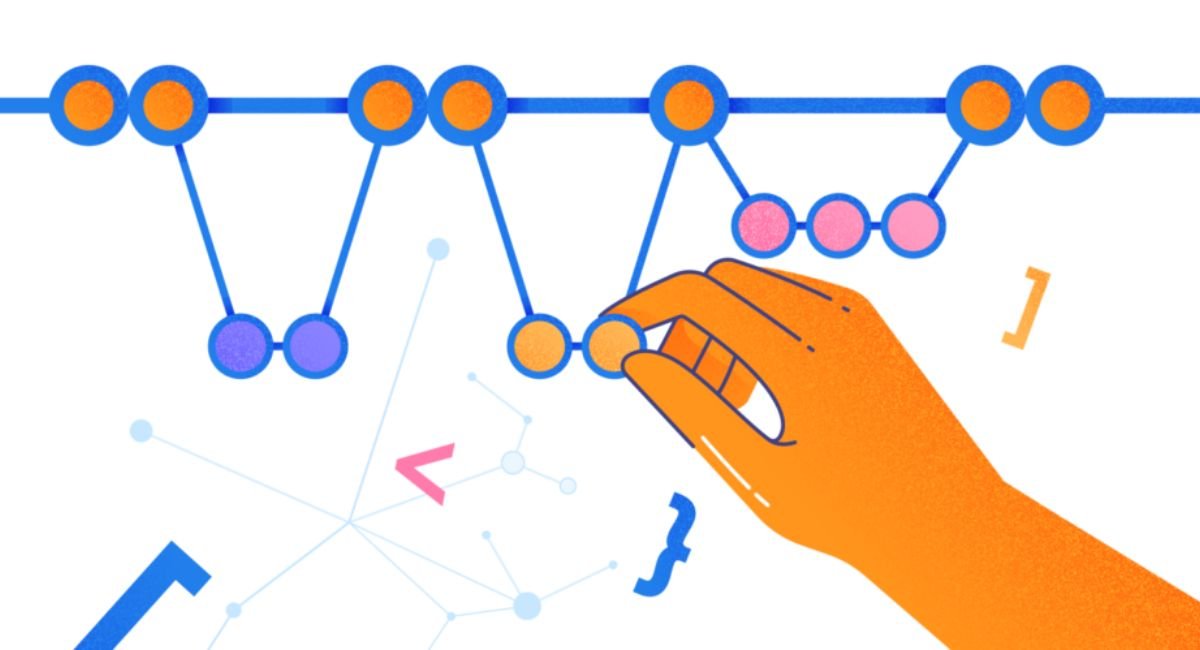
The concept of Git-style backend branching extends Git principles beyond source code. Instead of creating only code branches, developers create isolated copies of databases, storage systems, authentication services, edge functions, and supporting infrastructure. These branches behave like independent workspaces where changes occur safely without affecting production systems. This approach acts as a form of Backend version control, allowing teams to track and manage backend changes with greater precision. As AI coding agents become more common, backend isolation becomes essential rather than optional.
Imagine several developers working inside the same room while constantly moving furniture. Chaos quickly follows. The same thing happens when multiple AI coding agents share one database. One agent may alter records while another runs tests. A third agent might update schemas simultaneously. By using Environment isolation, organizations create independent workspaces that eliminate interference. This model supports Agent experimentation, improves reliability, and enables faster AI development workflow execution across teams.
Understanding Git-Style Backend Branching
At its core, Git-style backend branching creates a complete backend replica for testing and development. Unlike traditional code branches, backend branches include data, permissions, storage, and runtime services. These isolated environments support rapid innovation while reducing operational risk. Modern platforms achieve this through Database branching, Database cloning, and intelligent Infrastructure snapshots that consume minimal resources.
What Gets Branched Beyond the Database
Modern backend systems contain many interconnected services. Effective branching solutions replicate databases, storage buckets, authentication systems, edge functions, queues, and APIs. This process creates an isolated backend copy with nearly identical behavior to production. Teams gain confidence because every branch accurately reflects real-world conditions without exposing live customers to risk.
Why AI Coding Agents Require Isolated State Management
Unlike human developers, AI software agents can execute thousands of actions in a short period. They test assumptions rapidly and frequently modify backend state. Shared databases create conflicts that slow progress. Through production environment isolation, organizations provide every agent with a dedicated workspace, enabling safer experimentation and faster iteration cycles.
The Difference Between Code Branches and Backend Branches
Code branches manage source files. Backend branches manage entire environments. This distinction matters because many software failures originate from backend dependencies rather than application code. Backend infrastructure, data relationships, and service configurations require the same versioning discipline developers already apply to code repositories.
How Backend Branching Enables Safe AI Experimentation
Organizations increasingly rely on AI feature experimentation to accelerate innovation. Backend branching creates a secure Development sandbox where new ideas can be tested without damaging production systems. Developers gain freedom to explore, validate, and iterate while maintaining operational stability.
The Hidden Problem: How Shared Database State Causes AI Agent Conflicts
Many teams discover backend conflicts only after productivity begins to decline. Shared databases create invisible friction because every change affects everyone. As more autonomous AI agents enter the workflow, conflicts multiply. One agent might insert test records while another expects a clean dataset. Soon, test results become inconsistent and debugging consumes valuable engineering time. This challenge explains why Database state isolation has become a major priority for modern development organizations.
The issue extends beyond testing. Shared environments increase operational risk. Schema updates may break integrations unexpectedly. Data contamination can invalidate experiments. Authentication changes might affect unrelated projects. Without proper isolation, teams struggle to scale Multi-agent development initiatives. This limitation slows innovation and reduces the effectiveness of advanced Backend automation tools.
Database Contamination Between Multiple AI Agents
When several agents interact with one database simultaneously, test data often overlaps. Records become polluted. Results become unreliable. This situation undermines confidence in automated workflows and weakens Backend testing environments designed to support rapid development.
Conflicting Writes and Broken Test Results
Database conflicts occur when multiple systems update identical records. These issues often create inconsistent behavior that appears random. Through Backend experimentation platform capabilities and isolated branches, organizations eliminate many of these challenges before they affect development velocity.
Schema Changes That Impact Other Development Tasks
A single schema modification can ripple across multiple services. Teams frequently encounter unexpected failures when shared environments evolve too quickly. Backend environment versioning helps prevent these disruptions by ensuring every branch operates independently.
Why Shared Environments Slow Down Innovation
Innovation thrives when experimentation feels safe. Shared environments force developers to coordinate every significant change. This overhead reduces agility and creates bottlenecks. Parallel development environments remove these constraints by allowing simultaneous workstreams.
Real-World Examples of AI Agent Interference
Consider an AI agent testing user onboarding while another updates authentication rules. The first agent may receive unexpected responses because the second modified backend behavior. Such conflicts become common as organizations scale autonomous coding workflows and increase automation across engineering teams.
Git Worktrees vs Database Branching: Which Isolation Strategy Works Best?
Git worktrees provide a useful mechanism for managing multiple code branches. They allow developers to check out different branches simultaneously without duplicating repositories. For source code management, this approach works exceptionally well. However, modern applications depend heavily on backend services. Source files represent only one part of the system. Databases, storage, and authentication layers often introduce greater complexity than code itself. This reality drives interest in Git for backend infrastructure and advanced branching models.
Database branching addresses challenges that code-only workflows cannot solve. While worktrees isolate files, they do not isolate backend state. Developers may still share one database despite working in separate repositories. This limitation creates hidden dependencies and unreliable testing conditions. By adopting Branch-based development across the entire stack, organizations establish a stronger foundation for scalable software delivery and long-term growth.
What Git Worktrees Are Designed to Solve
Git worktrees simplify repository management and support parallel code development. They reduce duplication while allowing developers to switch contexts efficiently. For frontend and application logic, this workflow remains highly effective.
Advantages of Git Worktrees for AI Development
Many teams use worktrees to support AI-assisted coding workflows. Agents can create and test features independently at the code level. This capability improves organization and accelerates iteration cycles.
Limitations of Code-Only Isolation
Code isolation alone does not prevent backend conflicts. Databases continue to serve as shared resources. This gap limits the effectiveness of many automated development workflows and increases operational complexity.
Why Databases Remain a Bottleneck
Applications rely heavily on data. When multiple systems share one database, changes become difficult to predict. Version control for databases addresses this challenge by extending isolation principles beyond source code.
Git Worktrees vs Database Branching Comparison Table
| Feature | Git Worktrees | Database Branching |
| Code Isolation | Yes | Yes |
| Database Isolation | No | Yes |
| Storage Isolation | No | Yes |
| Authentication Isolation | No | Yes |
| Agent Testing Support | Limited | Excellent |
| Production Safety | Moderate | High |
| Scalability | Good | Excellent |
| AI Workflow Readiness | Partial | Complete |
Which Strategy Is Better for Autonomous AI Agents?
For organizations deploying AI agent infrastructure, database branching offers broader protection and flexibility. Worktrees remain valuable for code management. However, backend branching delivers complete backend development branches that support safe experimentation across the entire application stack.
How Git-Style Database Branching Works Behind the Scenes
Behind every successful branching system lies sophisticated infrastructure. Modern platforms use snapshots, metadata tracking, and copy-on-write technologies to create branches quickly. Instead of duplicating every byte of data, they share unchanged resources until modifications occur. This architecture enables fast branch creation while minimizing storage costs. The result is a highly efficient infrastructure branching system designed for modern engineering teams.
These systems also support advanced automation. Branches can appear automatically during pull requests, testing workflows, or AI-driven development sessions. Once tasks finish, environments disappear automatically. This lifecycle management reduces waste and supports scalable development workflows. As organizations expand their use of automation, backend branching becomes a critical component of modern developer infrastructure.
Creating an Isolated Backend Branch in Seconds
Modern platforms automate branch creation through intelligent provisioning systems. Developers and agents can launch environments almost instantly. This speed supports rapid experimentation and continuous innovation.
Snapshot Technology and Data Cloning
Efficient Backend snapshots and Database cloning techniques reduce infrastructure costs while preserving isolation. Only modified data consumes additional resources, making branching economically viable at scale.
Branching Databases, Storage, Authentication, and Functions
Advanced platforms support storage branching, authentication branching, and edge functions branching alongside databases. This approach creates complete environment replicas capable of supporting complex application testing.
Independent Testing Environments for AI Agents
Dedicated branches function as safe testing environments where agents explore new ideas without impacting production. Teams gain confidence because experiments remain isolated and reversible.
Merging Changes Back into Production
Successful changes eventually move toward production. Modern systems provide validation workflows, approval processes, and backend rollback support mechanisms that reduce deployment risk.
Rollback and Recovery Mechanisms
Mistakes happen. Effective branching platforms provide instant recovery options through branch-based infrastructure and intelligent rollback strategies that restore previous states quickly.
Security Considerations in Branch-Based Infrastructure
Security remains essential throughout the branching lifecycle. Organizations implement access controls, monitoring systems, and backend collaboration environment policies to ensure safe and compliant operations.
InsForge Backend Branching Overview: What Is the Tool?

As AI-powered development accelerates, teams need more than code branches. They need complete backend duplication that behaves exactly like production without introducing risk. InsForge Backend Branching was built to solve this challenge. The platform introduces Git-style backend branching for the entire backend stack, allowing developers and AI coding agents to work in fully isolated environments. Instead of sharing databases and services, every branch receives its own backend state. This approach creates safer workflows and removes many of the bottlenecks that slow modern engineering teams.
What makes InsForge Backend Branching interesting is its focus on full-stack isolation rather than simple database copies. A branch includes databases, storage systems, authentication services, functions, and supporting infrastructure. The result is a complete environment replica that behaves like production while remaining isolated from live users. For organizations embracing Autonomous software development, this level of separation creates a reliable foundation for experimentation, testing, and deployment.
Introduction to InsForge Backend Branching
Unlike traditional staging systems, InsForge Backend Branching creates a complete isolated backend state designed for modern development workflows. Teams can launch branches quickly and allow agents to work independently without affecting other projects or production systems.
Core Mission and Value Proposition
The platform aims to eliminate backend conflicts through intelligent Database branching and Infrastructure branching. Its primary value comes from enabling safe experimentation while maintaining production stability.
How InsForge Enables Full Backend Isolation
Every branch functions as an isolated backend copy. Databases, files, authentication rules, and services remain separate. This separation allows developers and agents to make changes freely without creating unintended side effects.
Key Components Included in Every Branch
A branch can include Storage replication, Authentication environment cloning, databases, APIs, serverless functions, and supporting infrastructure. This creates a realistic testing environment that closely mirrors production behavior.
Why It Stands Out from Traditional Development Environments
Traditional staging systems often become crowded and difficult to manage. InsForge Backend Branching replaces shared environments with dedicated branches, creating a more scalable approach to Development environment management.
Key Features of Git-Style Backend Branching Platforms
Modern backend branching platforms focus on automation, speed, and reliability. The goal is not simply to copy data. Instead, these systems create complete working environments that support development, testing, deployment, and AI-driven experimentation. By combining Backend infrastructure, Database copy management, and workflow automation, teams gain greater control over application lifecycles.
The strongest platforms also reduce operational complexity. Developers no longer spend hours configuring environments or resolving conflicts. Instead, branches appear automatically when needed and disappear when work is complete. This model supports Backend workflow automation, improves developer efficiency, and enables faster product delivery.
Instant Backend Environment Creation
Modern solutions provide instant backend branches through automated provisioning systems. Developers can create new environments within seconds rather than waiting hours for infrastructure setup.
Database State Isolation
Reliable Database state isolation ensures every branch contains independent data. Changes remain local until approved, reducing risk and improving development quality.
Storage and File System Branching
Many applications depend heavily on uploaded files. Storage branching allows teams to isolate file operations while preserving realistic testing conditions.
Authentication Environment Replication
User access controls are critical. Authentication branching replicates identity systems and permissions so testing reflects production behavior accurately.
Edge Functions and Serverless Branching
Modern applications increasingly rely on serverless computing. Edge function management and isolated runtime environments allow teams to validate logic safely before deployment.
Automated Cleanup and Resource Management
Unused environments waste resources. Automated lifecycle management removes inactive branches, reducing infrastructure costs and improving operational efficiency.
Branch-Level Permissions and Security Controls
Enterprise teams require strict governance. Access controls ensure only authorized users interact with specific branches or testing environments.
AI Agent-Friendly Workflow Automation
The best platforms support AI agent testing, parallel agent execution, and advanced automation workflows designed specifically for modern AI development teams.
Best AI Tools Using Database Branching for Agent Development in 2026
Database branching has evolved from a niche capability into a core requirement for advanced software teams. Several platforms now offer innovative approaches to backend isolation. While features vary, all leading providers focus on enabling safe experimentation, scalable testing, and efficient development workflows. Organizations evaluating solutions should compare capabilities carefully because requirements differ across industries and project sizes.
The growing popularity of AI coding agents has accelerated demand for sophisticated branching platforms. Companies increasingly require systems capable of supporting multiple agents working simultaneously. As a result, the market now includes several strong competitors, each bringing unique strengths to the table.
Leading Database Branching Platforms Comparison
| Platform | Primary Strength | AI Agent Support | Environment Isolation | Enterprise Readiness |
| InsForge | Full backend branching | Excellent | Complete | High |
| Neon | PostgreSQL branching | Very Good | Database-focused | High |
| PlanetScale | MySQL branching | Good | Database-focused | High |
| Supabase | Developer ecosystem | Good | Partial full-stack | Medium |
| Turso | Edge database branching | Good | Lightweight isolation | Medium |
InsForge Backend Branching
InsForge Backend Branching focuses on complete environment duplication rather than database-only workflows. This makes it attractive for teams building sophisticated applications that require comprehensive testing.
Neon Database Branching
Neon popularized serverless PostgreSQL branching and introduced efficient snapshot-based workflows. It remains one of the strongest options for PostgreSQL-focused development teams.
PlanetScale Database Branches
PlanetScale delivers advanced MySQL infrastructure with powerful branching capabilities. Many organizations choose it for scalability and operational simplicity.
Supabase Preview Branches
Supabase combines database services with authentication, storage, and APIs. Preview environments help developers test changes before deployment.
Turso Database Forking
Turso emphasizes lightweight edge databases designed for modern distributed applications. Its architecture supports fast provisioning and global deployments.
Emerging AI-Native Infrastructure Platforms
A new generation of Backend experimentation platform providers focuses specifically on AI software engineering workflows. These tools prioritize automation, agent collaboration, and environment orchestration.
Feature Comparison Table of Leading Solutions
| Feature | InsForge | Neon | PlanetScale | Supabase | Turso |
| Full Backend Branching | Yes | No | No | Partial | No |
| Storage Isolation | Yes | No | No | Yes | No |
| Authentication Isolation | Yes | No | No | Yes | No |
| AI Workflow Support | Excellent | Good | Good | Good | Good |
| Automated Cleanup | Yes | Limited | Limited | Limited | Limited |
Latest Updates Transforming AI Agent Infrastructure and Backend Isolation
The world of AI development moves quickly. New infrastructure patterns appear every year. Teams that once relied on shared staging systems now adopt highly automated branching workflows. These changes are driven by growing use of AI software agents, increasing application complexity, and rising demand for rapid experimentation. Backend branching sits at the center of this transformation.
Industry leaders are also investing heavily in automation. New platforms automatically create branches, validate changes, monitor activity, and remove environments when tasks finish. This level of intelligence reduces manual effort and supports large-scale Multi-agent development initiatives.
Multi-Agent Parallel Development Environments
Organizations increasingly run multiple agents simultaneously. Parallel development environments allow each agent to operate independently without causing interference.
AI-Native Infrastructure Workflows
Modern systems now integrate directly into AI automation platform workflows. Agents can create environments, execute tests, and submit validated changes automatically. The broader impact of AI automation extends beyond software engineering. Organizations are also applying AI-driven workflows to areas such as donor engagement and campaign optimization. For example, our guide on AI for Fundraising explores how intelligent automation is helping nonprofits improve outreach, personalize communication, and increase fundraising efficiency.
Automated Validation and Testing Pipelines
Automation improves consistency. Branches can trigger tests automatically, helping teams identify issues before deployment.
Ephemeral Backend Environments
Temporary environments exist only when needed. After testing completes, resources are released automatically. This model improves efficiency and reduces costs.
Serverless Infrastructure Branching
Serverless services now support branching workflows. Teams can test event-driven architectures without exposing production systems to risk.
Environment Lifecycle Automation
Advanced Environment provisioning systems handle creation, monitoring, scaling, and cleanup automatically. Developers spend less time managing infrastructure.
Infrastructure-as-Code Integration
Backend branching increasingly integrates with infrastructure-as-code platforms, creating repeatable and reliable deployment processes.
Free vs Paid Database Branching Solutions: Which One Delivers More Value?
Many teams begin with free plans because they offer an accessible introduction to backend branching. Small projects often benefit from limited environments, basic testing capabilities, and essential automation features. However, as projects grow, limitations become more visible. Teams may encounter branch limits, storage restrictions, or reduced collaboration capabilities. Understanding these tradeoffs helps organizations choose the right solution.
Paid plans typically focus on scalability, governance, and operational reliability. Enterprise teams require advanced permissions, security controls, audit logs, and performance guarantees. These features support larger development efforts and complex deployment workflows. While costs increase, the productivity gains often justify the investment.
Pricing Considerations Table
| Feature | Free Plans | Paid Plans |
| Branch Limits | Limited | Higher |
| Storage Capacity | Limited | Expanded |
| Team Collaboration | Basic | Advanced |
| Security Controls | Minimal | Enterprise-grade |
| Automation Features | Basic | Extensive |
| Support | Community | Priority |
Features Available in Free Plans
Free tiers generally provide enough functionality for learning, experimentation, and small projects. Startups often use them to evaluate branching workflows before upgrading.
Enterprise Features Worth Paying For
Advanced governance, monitoring, compliance support, and workflow automation make paid plans attractive for professional engineering teams.
Scalability and Performance Considerations
Growing applications require infrastructure that can handle increasing workloads. Paid plans typically offer stronger performance guarantees and resource allocation.
Security and Compliance Differences
Organizations operating in regulated industries often need advanced access controls, logging systems, and compliance certifications unavailable in free offerings.
Cost Comparison Across Popular Platforms
Pricing structures vary significantly across providers. Costs may depend on storage usage, branch counts, team size, compute resources, or automation features.
Which Option Is Best for Startups, Agencies, and Enterprises?
Startups often prioritize affordability and flexibility. Agencies value collaboration tools. Enterprises focus on governance, security, and scalability. The ideal choice depends on business requirements rather than price alone.
Practical Use Cases: How AI Coding Agents Benefit from Isolated Database Branches

The biggest advantage of Git-style backend branching appears when multiple development tasks run simultaneously. Traditional workflows often force teams to share resources, which increases conflicts and slows delivery. By creating Isolated development environments, organizations give every agent its own workspace. This approach reduces risk and allows teams to move faster without sacrificing quality. As AI systems become more capable, isolated branches become an essential part of modern software delivery.
Many companies now deploy dozens of agents across a single project. Some focus on testing while others build features, optimize performance, or review code. Without Database branching, these activities quickly collide. Backend branches eliminate interference and create a foundation for reliable automation. The result is faster development cycles, improved accuracy, and stronger operational stability.
Autonomous Feature Development
One of the most valuable use cases involves feature creation. A dedicated branch allows AI coding agents to build, modify, and test functionality without touching production systems. This workflow supports AI-powered software development while maintaining complete isolation.
Parallel Agent Experimentation
Organizations increasingly rely on parallel agent execution to accelerate innovation. Multiple agents can test different solutions simultaneously inside separate branches. This model improves productivity and supports advanced Agent experimentation initiatives.
AI-Powered Bug Fixing and Testing
Bug fixing often requires testing numerous solutions. Isolated branches provide safe environments where agents investigate issues without introducing additional risk. This improves backend testing for AI agents and shortens resolution times.
Continuous Integration and Continuous Deployment
Backend branches integrate naturally with CI/CD pipelines. Every change can trigger validation tests before deployment. This process strengthens Safe deployment workflows and reduces operational failures.
Large-Scale SaaS Product Development
Modern SaaS applications often involve dozens of services and databases. Full-stack branching allows development teams to validate changes across the entire stack while maintaining isolation.
Multi-Agent Collaboration Workflows
Complex projects benefit from coordinated automation. Multi-agent workflows enable specialized agents to work together while remaining isolated from one another. This improves reliability and scalability.
Safe Production Simulations
Teams can create realistic production replicas without affecting customers. These simulations support Production-safe testing and provide valuable insights before deployment.
Rapid Prototyping and Innovation
New ideas require experimentation. Branches function as a secure Development sandbox, allowing teams to explore concepts quickly and safely.
Git-Style Backend Branching Pricing: What Should Teams Expect?
Pricing varies significantly across providers because backend branching consumes infrastructure resources. Costs may depend on storage usage, database size, branch count, compute consumption, and automation features. Organizations evaluating solutions should focus on long-term value rather than monthly pricing alone. A cheaper platform that slows development may ultimately cost more through reduced productivity.
Many providers now offer usage-based pricing models that scale with demand. This approach benefits growing organizations because they pay only for resources they consume. Companies should evaluate platform capabilities carefully and compare costs against expected productivity improvements. Strong branching systems often deliver substantial returns through faster releases and fewer deployment issues.
Pricing Factors Comparison
| Cost Factor | Impact on Pricing |
| Database Size | High |
| Branch Count | High |
| Storage Usage | Medium |
| Team Members | Medium |
| Automation Features | Medium |
| Enterprise Security | High |
| Compute Resources | High |
Factors That Influence Pricing
Infrastructure consumption remains the largest pricing driver. Larger databases and more branches generally increase monthly costs across most providers.
Storage and Database Usage Costs
Providers allocate storage differently. Some charge for total capacity while others focus on active data consumption and branch activity.
Branch Creation and Resource Consumption
Frequent branch creation may increase costs depending on platform architecture. Efficient snapshot technologies help reduce resource usage.
Team Collaboration Pricing Models
Many vendors include collaboration features within higher-tier plans. These tools support larger engineering teams and complex workflows.
Enterprise Licensing Considerations
Enterprise agreements often include custom pricing, security controls, compliance support, and dedicated infrastructure resources.
Cost Optimization Strategies
Organizations can reduce costs through automated cleanup policies, efficient resource allocation, and intelligent branch lifecycle management.
Pros and Cons of Git-Style Backend Branching for AI Development Teams
Every technology introduces benefits and tradeoffs. Git-style backend branching offers substantial advantages for modern software teams, particularly those adopting AI-driven development workflows. However, organizations should understand both strengths and limitations before implementation. A balanced evaluation helps ensure the chosen approach aligns with business goals and technical requirements.
Most teams discover that the benefits outweigh the drawbacks once development complexity increases. As applications grow and automation expands, backend isolation becomes more valuable. The ability to experiment safely often transforms development culture and encourages innovation.
Advantages and Disadvantages Table
| Pros | Cons |
| Complete isolation | Learning curve |
| Faster testing | Additional infrastructure costs |
| Better automation | Platform dependency |
| Improved reliability | Initial setup effort |
| Enhanced scalability | Resource management requirements |
| Safer experimentation | Team training needed |
Major Advantages for Developers
Developers gain greater freedom to experiment, test features, and validate ideas. This flexibility improves productivity and reduces coordination overhead.
Benefits for AI Agent Workflows
Dedicated environments help agents operate independently. This strengthens AI development workflow performance and minimizes unexpected conflicts.
Infrastructure Efficiency Improvements
Modern branching systems leverage Backend snapshots and intelligent resource sharing. These techniques improve efficiency while reducing storage requirements.
Potential Challenges and Drawbacks
Organizations may encounter implementation complexity, additional costs, or workflow adjustments during initial adoption.
Common Implementation Mistakes
Teams sometimes create excessive branches or neglect cleanup policies. These practices can increase costs and reduce operational efficiency.
When Backend Branching May Not Be Necessary
Small projects with limited collaboration requirements may not require advanced branching systems. Simpler environments can sometimes meet basic needs.
Best Alternatives to Git-Style Backend Branching
Although backend branching delivers powerful benefits, alternative approaches still exist. Many organizations rely on staging environments, database snapshots, containers, or virtual machines. Each option provides a different balance of cost, flexibility, and operational complexity. Understanding these alternatives helps teams make informed decisions.
However, many traditional solutions struggle to support modern AI-driven workflows. Shared environments often create bottlenecks, while virtual machines consume significant resources. As a result, backend branching continues to gain popularity among organizations seeking scalable development models.
Alternatives Comparison Table
| Solution | Isolation Level | Cost Efficiency | AI Workflow Support |
| Backend Branching | Excellent | High | Excellent |
| Staging Environment | Limited | Medium | Limited |
| Database Snapshots | Moderate | High | Moderate |
| Containers | Good | Medium | Good |
| Virtual Machines | Good | Low | Moderate |
| Preview Environments | Moderate | Medium | Good |
Traditional Staging Environments
Staging environments remain common because they are familiar and relatively easy to implement. However, shared usage often creates conflicts and delays.
Database Snapshots and Clones
Snapshot-based systems provide temporary copies of data. They support testing but may lack comprehensive environment isolation.
Container-Based Isolation
Containers package applications and dependencies into portable units. They improve consistency but do not always address backend state management.
Virtual Machines and Sandboxed Infrastructure
Virtual machines provide strong isolation but often require more resources and administrative effort than modern branching solutions.
Preview Environments
Preview environments create temporary application instances for testing. They are useful but may not offer complete backend duplication.
Comparing Alternatives Against Backend Branching
When comparing options, backend branching generally delivers the strongest combination of scalability, automation, and environment isolation for AI-driven development.
Best Alternatives to InsForge Backend Branching
As backend branching adoption grows, organizations naturally compare platforms before making decisions. Evaluating alternatives helps teams understand strengths, weaknesses, and feature differences. While InsForge Backend Branching focuses on complete backend replication, some competitors specialize in databases, cloud services, or specific infrastructure models.
Choosing the right platform depends on project requirements. Teams should evaluate scalability, automation capabilities, pricing structures, and AI workflow support. The strongest solution is the one that aligns with long-term business goals rather than short-term convenience.
InsForge Alternatives Comparison
| Platform | Primary Focus | Best For |
| Neon | PostgreSQL branching | Database-focused teams |
| PlanetScale | MySQL branching | Large-scale applications |
| Supabase | Backend services | Full-stack developers |
| Turso | Edge databases | Distributed applications |
| Traditional Staging | Shared environments | Small projects |
Neon as an Alternative
Neon offers advanced PostgreSQL branching with efficient snapshot technology. It remains a strong choice for database-centric projects.
PlanetScale as an Alternative
PlanetScale focuses on scalable MySQL infrastructure and provides powerful branching capabilities for large applications.
Supabase as an Alternative
Supabase combines databases, authentication, storage, and APIs. It appeals to developers seeking an integrated ecosystem.
Turso as an Alternative
Turso specializes in edge database deployments and lightweight infrastructure designed for modern distributed systems.
Which Alternative Is Best for Your Team?
The ideal platform depends on architecture, workload requirements, security needs, and development goals. Organizations should evaluate solutions carefully before adoption.
The Future of AI Coding Agents: Will Backend Branching Become the New Standard?
Software development is entering a new era. Just a few years ago, developers manually handled most coding tasks. Today, AI coding agents, AI software agents, and advanced automation systems can generate features, test applications, review code, and suggest infrastructure changes. As these capabilities mature, traditional development practices struggle to keep pace. Shared environments simply cannot support hundreds of automated actions occurring simultaneously. This challenge is driving widespread adoption of Git-style backend branching and intelligent Backend collaboration tools.
Industry trends suggest backend branching will become a standard component of modern software delivery. Organizations increasingly require backend branching without affecting production, faster testing cycles, and reliable environment management. Companies embracing cloud-native development already view environment isolation as a competitive advantage. As AI becomes deeply integrated into engineering workflows, backend branching may become as essential as Git itself.
Rise of Autonomous Development Teams
The future points toward teams where humans and autonomous AI agents work together. These environments require reliable isolation, automation, and governance to operate efficiently.
Infrastructure Designed Specifically for AI Agents
Traditional infrastructure was built for human developers. New systems focus on AI agent infrastructure, enabling agents to create branches, test features, and validate changes independently.
Self-Healing Development Environments
Emerging platforms use automation to detect issues, restore environments, and maintain stability without human intervention.
Agent-to-Agent Collaboration Systems
Future development ecosystems may support sophisticated communication between specialized agents. These systems will require secure and scalable isolation mechanisms.
The Evolution of Backend Version Control
Just as Git transformed source code management, Backend version control is transforming backend operations. Versioned infrastructure is becoming increasingly important.
Industry Predictions for the Next Five Years
Analysts expect greater automation, broader AI adoption, and stronger demand for next-generation backend tooling that supports complex software ecosystems.
Git-Style Backend Branching vs Traditional Development Workflows
Traditional software development evolved around shared environments. Teams often relied on staging servers, database snapshots, and manual testing procedures. While these approaches worked for years, they struggle to support modern AI-driven workflows. As organizations increase automation, traditional systems create bottlenecks that slow innovation and increase risk.
By contrast, Git-style backend branching creates dedicated environments for every feature, developer, or agent. This model improves reliability, reduces coordination overhead, and supports advanced automation. For many organizations, the difference is substantial enough to transform development culture entirely.
Workflow Comparison Table
| Capability | Traditional Workflow | Git-Style Backend Branching |
| Shared Resources | High | None |
| Testing Reliability | Moderate | High |
| Agent Support | Limited | Excellent |
| Deployment Safety | Moderate | High |
| Scalability | Moderate | Excellent |
| Environment Isolation | Limited | Complete |
| Automation Readiness | Moderate | Excellent |
Why Traditional Workflows Are Becoming Obsolete
As applications grow more complex, manual processes become difficult to manage. Backend branching provides a more scalable alternative.
Why AI-Driven Teams Prefer Backend Branching
AI systems thrive when they can operate independently. Dedicated environments eliminate conflicts and support faster iteration cycles.
Buyer’s Guide: Choosing the Best Backend Branching Platform for AI Agents
Selecting the right platform requires more than comparing features. Organizations should evaluate scalability, automation support, security controls, and long-term flexibility. The strongest solutions provide complete environment isolation while remaining easy to manage. Teams should also assess integration capabilities and workflow compatibility.
Many buyers begin by researching terms such as best backend branching tools, best AI developer tools, database branching tools comparison, best database branching platforms, and AI coding platform comparison. These searches help narrow the market and identify solutions aligned with business goals.
Questions to Ask Before Choosing a Platform
Organizations should evaluate deployment speed, automation capabilities, pricing structure, governance features, and long-term scalability before making a decision.
Features That Matter Most
The most valuable capabilities often include environment isolation, workflow automation, security controls, and support for AI-driven development.
Evaluating Long-Term Value
A platform’s value extends beyond pricing. Teams should consider productivity gains, reduced deployment failures, and improved development velocity.
Commercial Evaluation: InsForge Review, Pricing, and Alternatives
Many readers researching backend branching eventually search for InsForge review, InsForge pricing, and InsForge alternatives. These terms reflect strong commercial intent because buyers want practical information before committing to a platform. While pricing details may evolve over time, the broader evaluation should focus on capabilities and business value.
From a workflow perspective, InsForge Backend Branching differentiates itself through complete backend isolation. Rather than focusing exclusively on databases, it supports broader infrastructure replication. This makes it attractive for organizations seeking comprehensive environment management and advanced AI support.
Evaluation Criteria Table
| Criteria | Importance |
| Environment Isolation | Very High |
| AI Agent Support | Very High |
| Automation Features | High |
| Security Controls | High |
| Scalability | High |
| Pricing Flexibility | Medium |
| Collaboration Features | High |
Strengths of InsForge
The platform emphasizes complete backend replication, fast provisioning, and support for AI-driven workflows.
Potential Considerations
Organizations should compare pricing, infrastructure compatibility, and feature requirements against alternative solutions.
When InsForge Makes Sense
Teams seeking complete backend isolation and advanced automation capabilities may find strong value in the platform.
Final Verdict: Is Git-Style Backend Branching the Missing Piece for Scalable AI Agent Development?
The software industry is rapidly moving toward automation-first development. As AI coding agents become more capable, organizations need infrastructure that supports experimentation without introducing risk. Traditional staging systems and shared databases were never designed for autonomous workflows. They create friction, reduce reliability, and slow innovation. Git-style backend branching addresses these limitations by providing isolated environments that scale alongside modern development practices.
For startups, agencies, and enterprises, the benefits are becoming increasingly difficult to ignore. Faster testing, safer deployments, stronger automation, and improved collaboration all contribute to better outcomes. Whether you are evaluating backend infrastructure tools, researching backend testing solutions, comparing SaaS infrastructure platforms, or searching for the best backend branching platform for AI agents, one trend is clear. Backend branching is no longer an experimental concept. It is rapidly becoming a foundational technology for the future of software engineering.
Who Should Adopt Backend Branching Today?
Organizations using AI-assisted development, multiple engineering teams, or complex backend architectures will benefit the most from backend branching.
Best Platforms to Evaluate First
Teams should evaluate solutions based on infrastructure needs, automation goals, scalability requirements, and operational priorities.
Key Benefits for AI-Driven Development Teams
Backend branching improves testing reliability, accelerates development, supports automation, and reduces deployment risk.
Final Recommendations for Startups and Enterprises
Startups should focus on flexibility and affordability. Enterprises should prioritize governance, security, and scalability.
Why Git-Style Backend Branching Could Define the Future of AI Software Engineering
As software development becomes increasingly automated, backend branching provides the environment isolation and operational control needed to support the next generation of intelligent development systems.
FAQs
Q1: Why do AI coding agents break my database during testing?
Because they share the same environment. Without isolation, every change affects live data and other tests.
Q2: How can I safely test AI-generated code without risking production?
Use isolated environments or backend branches so every test runs in a separate safe copy.
Q3: What is the main benefit of Git-style backend branching?
It gives each AI agent its own database and backend, so nothing collides or breaks.
Q4: Why do my test results keep changing randomly?
Shared data gets modified by multiple agents, which creates inconsistent and unreliable results.
Q5: Is backend branching better than traditional staging?
Yes, because it creates full isolated copies, not shared environments that often conflict.

Welcome to Corexity! I’m Zain Bhatti, an AI-Powered SEO Strategist with 3 years of experience. I help you master the latest AI tools and rank higher with simplified, high-impact content strategies. Let’s grow together!