

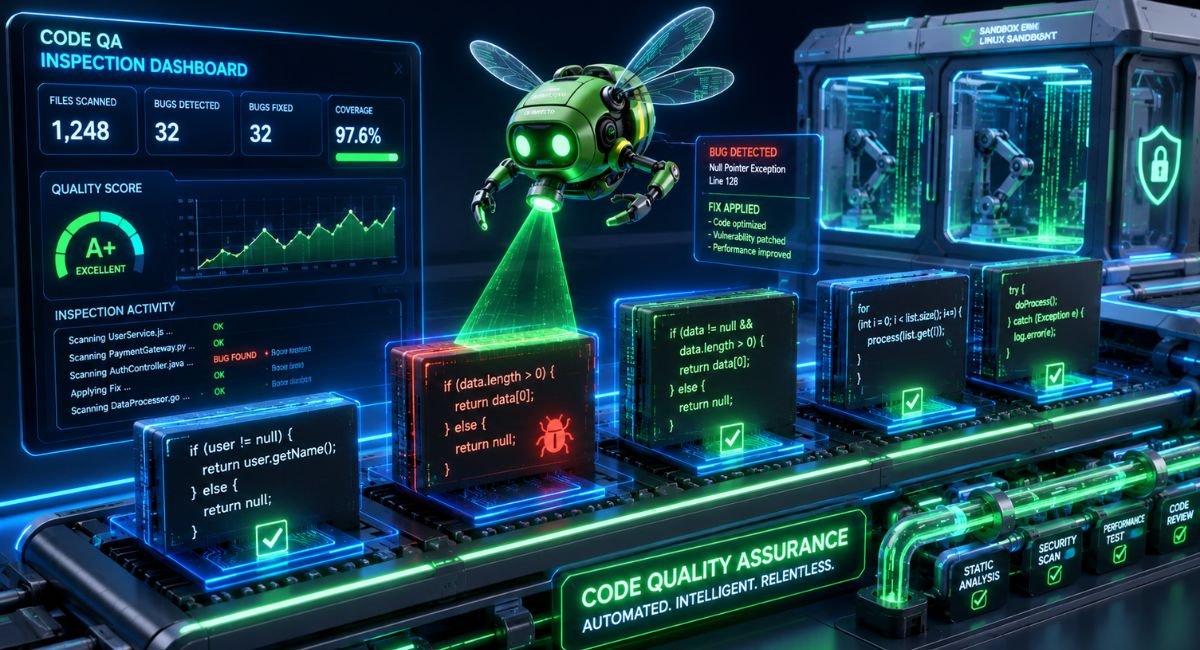
Modern software teams are rapidly shifting toward autonomous E2E testing to keep up with fast release cycles and complex applications. Traditional QA often struggles with speed, cost, and maintenance issues, especially in large SaaS environments. That is why companies now adopt AI software testing powered by intelligent systems like TestSprite AI Agents. These tools transform how teams handle testing by using AI-driven testing workflow and smart automation instead of manual scripts.
With AI-powered QA software, developers can now generate, execute, and debug tests in minutes. This approach improves reliability, reduces human effort, and supports scalable product growth across modern web and backend systems.
What Is Autonomous E2E Testing and Why Traditional QA Is Becoming Obsolete
Traditional testing feels like repairing roads with a spoon during a storm. Teams write endless scripts. Then websites change slightly. Suddenly everything breaks. This problem pushed the growth of automated QA testing, software test automation, and AI-driven testing workflow systems. Companies now need faster deployment cycles with fewer errors. Manual QA cannot keep pace with modern SaaS releases anymore.
An AI testing agent changes the entire landscape. Instead of depending fully on humans, the system performs AI test case generation, executes workflows, detects failures, and suggests fixes automatically. This approach improves software delivery optimization and boosts developer productivity tools across engineering teams. Businesses using autonomous software QA often reduce testing delays dramatically.
What Is TestSprite AI and How Does It Work?
The TestSprite AI agent is an intelligent platform designed for complete end-to-end software testing. It combines natural language testing, frontend testing automation, and backend testing automation into one workflow. Developers simply describe testing goals in plain English. Then the platform creates test cases automatically. This makes it a powerful no-code AI testing tool for both beginners and advanced engineers.
Unlike older systems, TestSprite behaves like an intelligent assistant instead of a static framework. The platform uses AI workflow automation, intelligent test execution, and AI bug detection to improve reliability. Teams working on SaaS applications, APIs, ecommerce stores, and enterprise dashboards can deploy tests rapidly without complicated configurations. That flexibility explains why many reviewers call it a leading AI-native QA platform.
| Feature | TestSprite AI | Traditional Testing Tools |
| Test Creation | AI-generated | Manual scripting |
| Debugging | Automated | Human-driven |
| Learning Curve | Beginner-friendly | Complex |
| Maintenance | Self-healing | Frequent repairs |
| Speed | Fast execution | Slower |
How TestSprite AI Agents Automate End-to-End Testing Without Heavy Coding
One major advantage of TestSprite involves its ability to support test automation without coding. Teams no longer need large QA departments writing thousands of lines manually. The platform handles AI test planning software, scenario generation, and execution through simple instructions. This creates a smooth modern QA workflow for startups and enterprises alike, especially for founders building lean AI-first operations similar to modern one-person startup models.
The system also includes self-healing test scripts and automated debugging tools. If a page layout changes, the AI adapts automatically instead of breaking every test. That feature helps companies reduce software testing costs significantly. Businesses using AI testing workflow automation can launch updates faster while maintaining stable user experiences.
“AI testing isn’t replacing developers. It’s removing repetitive QA pain points.”
Core Features That Make TestSprite AI Agents Stand Out
TestSprite offers advanced features that support both technical and non-technical teams. The platform includes cross-platform test automation, backend API testing automation, and continuous testing automation inside one interface. This unified system improves testing consistency across web apps, APIs, and cloud software environments.
Another standout capability involves AI-driven bug fixing and intelligent reporting. The platform acts like an intelligent debugging assistant that identifies root causes quickly. Teams using AI-assisted software development tools often experience faster deployment cycles and fewer production failures. This makes TestSprite one of the most useful AI-powered developer tools available today.
| Advanced Capability | Business Benefit |
| Self-healing automation | Less maintenance |
| Natural language input | Faster onboarding |
| AI bug detection | Reduced downtime |
| Cloud execution | Scalable testing |
| Smart reporting | Better QA insights |
TestSprite AI vs Traditional E2E Testing Tools — Which Is Better in 2026?
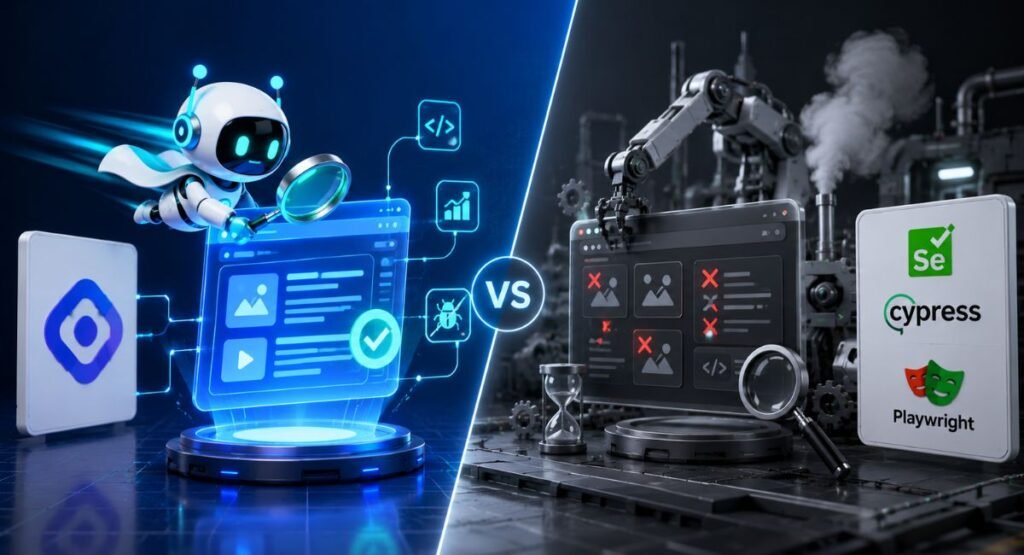
Many engineers still compare TestSprite with Selenium, Cypress, and Playwright. Traditional frameworks remain powerful. However, they often require deeper coding knowledge and longer maintenance cycles. TestSprite simplifies the process with AI code testing tools, automated regression testing, and AI test execution software. This saves teams countless engineering hours every month.
The comparison becomes even clearer for SaaS companies. Older systems focus heavily on manual scripting. TestSprite emphasizes AI-powered software testing, adaptive learning, and autonomous execution. That evolution makes it a stronger option for teams seeking testing workflow optimization and scalable delivery systems. It also performs well for companies searching for affordable AI testing software.
Latest TestSprite AI Updates and Features You Should Know About
Recent updates transformed TestSprite into a more powerful autonomous testing platform. The latest release improved execution speed, debugging precision, and API intelligence. Developers can now automate larger workloads using smarter orchestration models. This innovation strengthens the platform’s position among top AI tools for software teams.
Another important upgrade involves deeper CI/CD testing automation integration. Teams can connect workflows directly with GitHub Actions, Jenkins, and DevOps pipelines. This supports faster deployment strategies while improving reliability. Companies investing in continuous integration testing AI tools increasingly choose TestSprite because it simplifies large-scale QA operations.
Setting Up TestSprite AI Agents Step-by-Step for Autonomous Testing
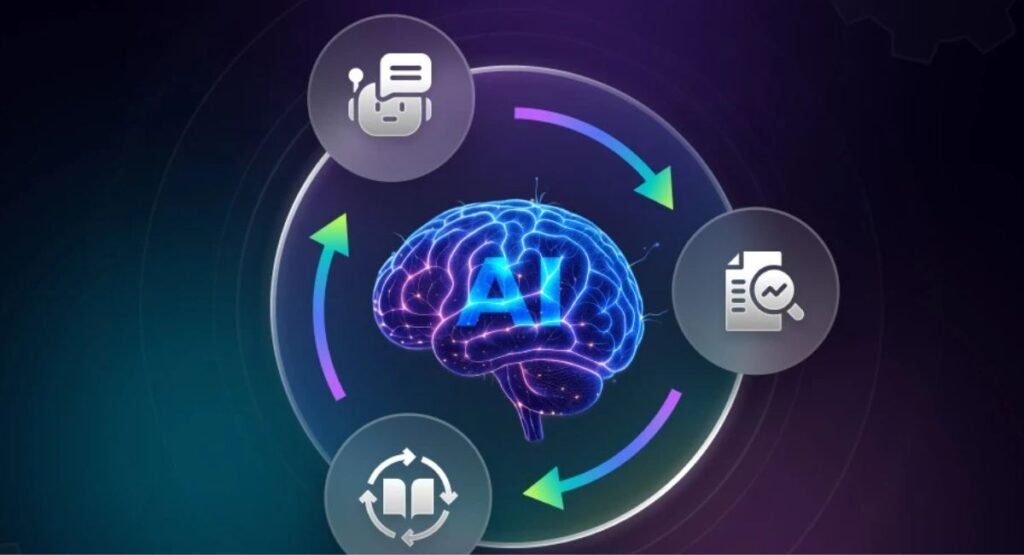
Setting up TestSprite feels surprisingly simple. Users first create an account, connect their application, and define testing goals using plain language. The platform then performs AI test generation tool processes automatically. This eliminates most repetitive scripting tasks normally required in traditional QA systems.
Once configured, the platform begins automated end-to-end testing across frontend and backend environments. Teams can monitor reports, detect failures, and optimize performance through a centralized dashboard. Businesses adopting AI testing for SaaS products often experience faster release cycles and stronger product stability after implementation.
| Setup Step | Purpose |
| Create workspace | Organize projects |
| Connect app | Start automation |
| Generate tests | Build workflows |
| Execute runs | Validate software |
| Analyze reports | Improve quality |
Free vs Paid AI Testing Platforms — Is TestSprite Worth the Cost?

Pricing always matters. Many startups initially search for free solutions before upgrading. TestSprite offers scalable plans suitable for smaller teams and enterprise environments. Compared with traditional QA departments, the platform can dramatically improve QA productivity while lowering operational costs.
The paid version unlocks deeper analytics, larger execution volumes, and advanced enterprise QA automation capabilities. Companies managing complex SaaS systems often view the investment as worthwhile because the platform strengthens software quality management and speeds up deployments. This explains the growing interest around TestSprite pricing and AI quality assurance review searches online.
Best AI Tools That Work With TestSprite for Smarter QA Automation
Modern QA environments rarely depend on one system alone. Many organizations combine TestSprite with GitHub Copilot, OpenAI tools, and CI/CD pipelines. These integrations create stronger AI automation software ecosystems that streamline testing and development simultaneously.
Developers also pair TestSprite with browser orchestration systems and workflow engines. These combinations improve browser automation tools, accelerate SaaS testing automation, and support complex enterprise deployments. Teams looking for best AI tools for automation often integrate multiple intelligent systems for maximum efficiency.
Real-World Use Cases of Autonomous E2E Testing With AI Agents
Ecommerce companies frequently use TestSprite for checkout testing. Even minor payment bugs can destroy revenue quickly. Automated systems monitor workflows continuously and validate user journeys automatically. This makes testing automation for web apps far more dependable than manual testing approaches.
SaaS businesses also rely heavily on AI testing for enterprises and startup environments. Smaller companies benefit because they lack huge QA departments. Large organizations benefit because the platform scales rapidly across massive infrastructures. These practical AI testing use cases demonstrate why intelligent automation continues growing across the software industry.
“Fast releases mean nothing if customers encounter broken features.”
Pros & Cons of Using AI Agents for End-to-End Software Testing
The advantages of TestSprite are substantial. Teams gain speed, efficiency, adaptability, and lower maintenance burdens. The platform improves software quality automation while simplifying complex workflows. Businesses also benefit from smart QA automation tools that reduce repetitive labor.
However, no system remains perfect. AI tools can occasionally misinterpret unusual workflows or generate excessive test variations. Teams still need human oversight for strategic validation and edge-case analysis. Even the most advanced AI software validation platform cannot fully replace experienced engineers yet.
| Pros | Cons |
| Faster execution | Requires monitoring |
| Reduced maintenance | Learning curve for teams |
| AI-generated workflows | Some false positives |
| Scalable testing | Dependence on integrations |
| Lower QA costs | Enterprise setup complexity |
TestSprite AI Alternatives You Should Compare Before Choosing
Several competing tools exist in the market. Playwright offers strong developer flexibility. Cypress provides popular frontend automation. Selenium remains widely used for enterprise environments. However, many companies now seek TestSprite alternatives because they want simpler AI-native experiences instead of script-heavy frameworks.
Choosing the right platform depends on team size, workflow complexity, and budget. Businesses needing AI testing for startups often prioritize simplicity and speed. Enterprises usually focus on scalability, analytics, and integrations. That’s why many analysts now include TestSprite among the best automated QA software solutions available today.
The Future of AI-Powered QA — Will Autonomous Testing Replace Human Testers?
The future of QA looks deeply connected with AI. Intelligent systems continue improving every year. Modern platforms now perform planning, execution, debugging, and reporting autonomously. This rapid growth positions next-gen QA platforms as essential infrastructure for software companies.
Still, humans remain important. Creative thinking, ethical judgment, and exploratory testing require human intelligence. AI handles repetitive tasks brilliantly. Humans handle strategic decision-making. The strongest teams combine both approaches inside a balanced modern software testing stack powered by intelligent automation.
Final Verdict — Is TestSprite AI the Best Autonomous E2E Testing Tool in 2026?
The TestSprite AI agent represents a major shift in software quality assurance. Its blend of AI-powered software testing, autonomous execution, and natural language workflows makes testing faster and easier. Teams no longer need endless manual scripts to maintain stability across growing SaaS environments.
For companies seeking smarter QA systems, TestSprite delivers impressive value. Its combination of AI testing framework, AI QA automation platform, and scalable automation features positions it among the strongest tools in modern software engineering. Businesses aiming to improve speed, reduce errors, and simplify testing workflows should seriously evaluate this platform.
FAQs
Is TestSprite MCP free?
Yes, TestSprite MCP may offer limited free access depending on the plan. However, advanced features like large-scale AI testing workflow automation, enterprise integrations, and deep automated QA testing capabilities are usually part of paid tiers. The free version is mainly useful for small projects, learning, and basic automated end-to-end testing experiments.
Can agentic AI be used for test automation?
Yes, agentic AI is now widely used in modern QA systems. It supports autonomous E2E testing, where AI agents can create, run, and fix test cases without constant human input. This makes it powerful for AI software testing, especially in fast-moving SaaS environments that require continuous updates and reliable validation.
How to use TestSprite in Antigravity?
To use TestSprite in Antigravity, you typically integrate both systems through API or workflow connectors. Once linked, the AI testing agent can run automated scenarios across environments. This setup enhances CI/CD testing automation, improves backend API testing automation, and enables smooth frontend testing automation inside a unified AI-driven pipeline.
How to create AI agents for software testing?
You can create AI agents for software testing by defining test goals, connecting your application, and using an AI test generation tool. Platforms like TestSprite simplify this with natural language testing, allowing you to describe workflows instead of coding scripts. The AI then builds, executes, and maintains tests automatically using smart test automation techniques.
Who are the Big 4 AI agents?
The “Big 4” AI agents usually refer to leading AI ecosystems shaping automation today. These include OpenAI agents, Google-based AI systems, Microsoft Copilot agents, and emerging AI-native QA platforms like TestSprite. Together, they drive innovation in AI-assisted software development, AI automation software, and next-generation developer productivity tools.

Welcome to Corexity! I’m Zain Bhatti, an AI-Powered SEO Strategist with 3 years of experience. I help you master the latest AI tools and rank higher with simplified, high-impact content strategies. Let’s grow together!