

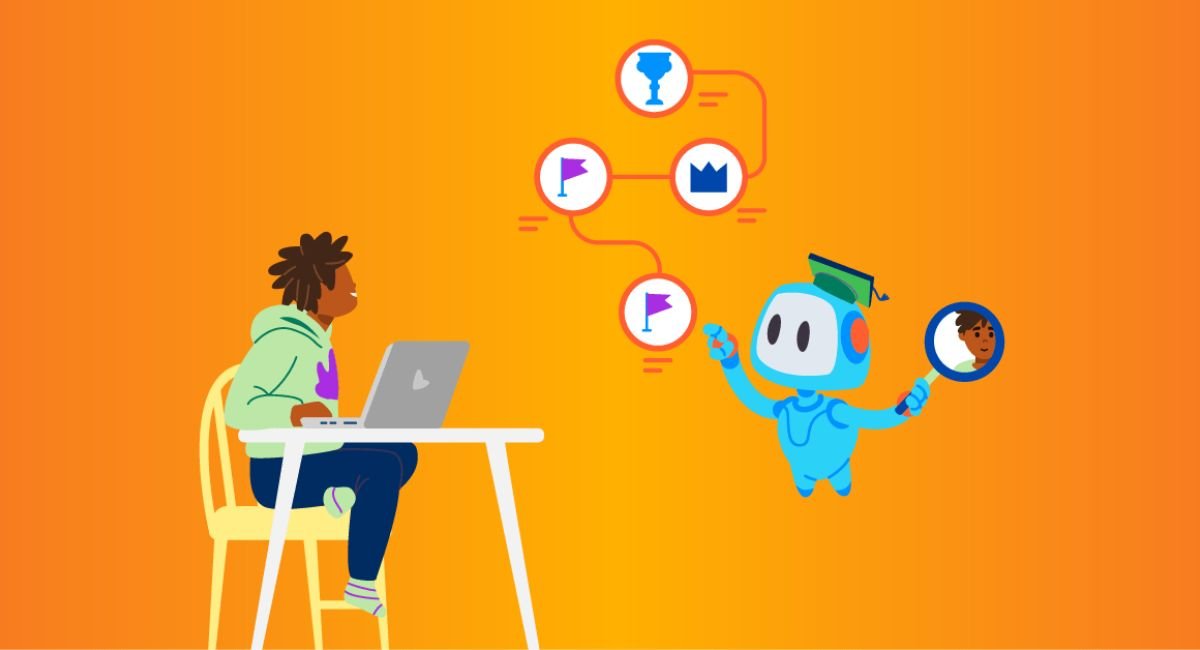
Employee onboarding has evolved far beyond paperwork and classroom sessions. Today, businesses use an AI corporate training platform to create faster, smarter, and more engaging learning experiences for new hires. As organizations grow, managing training manually becomes costly and inefficient.
This is where AI employee onboarding and onboarding automation deliver real value by streamlining workflows, reducing administrative tasks, and improving employee readiness. Modern platforms combine interactive learning, analytics, and personalized content to build a powerful corporate learning infrastructure that supports long-term success. By leveraging automated employee training, companies can shorten time-to-productivity, boost employee engagement, and create a consistent onboarding experience across teams, departments, and locations.
Why AI-Powered Employee Onboarding Is Transforming Corporate Training in 2026
Businesses face increasing pressure to train employees faster without sacrificing quality. An AI-powered onboarding system automates repetitive tasks and creates structured learning experiences. Through onboarding automation, companies can streamline paperwork, assign training modules, and monitor employee progress from a single dashboard. The result is better employee readiness, higher employee retention, and faster time-to-productivity.
Unlike traditional methods, modern corporate learning infrastructure uses machine learning to personalize content. Employees receive personalized learning paths based on their roles, skills, and goals. This approach improves employee engagement, strengthens knowledge retention, and supports long-term employee performance improvement across the organization.
Best AI Tools for Employee Onboarding and Corporate Training Platforms Compared
The market offers many solutions including Comm100 AI Training, Docebo, TalentLMS, Absorb LMS, LearnUpon, 360Learning, Connecteam, iSpring Learn, Arlo, and SkyPrep. Each platform serves different needs. Some focus on support staff training while others provide enterprise-wide learning ecosystems.
| Platform | Best For | Key Strength |
| Comm100 AI Training | Customer support teams | chat simulation training |
| Docebo | Enterprises | AI-powered learning management |
| TalentLMS | SMBs | Fast deployment |
| Absorb LMS | Large companies | Strategic learning |
| 360Learning | Collaborative teams | Peer learning |
| Connecteam | Frontline workers | Mobile-first training |
Organizations should perform an AI software comparison before investing. The best solution depends on company size, workforce structure, compliance needs, and budget.
Latest AI Training Platform Updates You Should Know Before Choosing a Solution
Recent innovations have made training more intelligent. Features such as AI course creation, AI content generation, AI content summarization, and AI-generated assessments reduce administrative work. Many platforms now include AI coaching, AI assistant tools, and AI feedback system capabilities that guide employees during learning. Organizations exploring how modern AI applications move from experimentation to production environments can also review our guide on Claude Artifacts deployment strategies.
Another major advancement involves learning analytics software and AI-powered analytics. These tools perform knowledge gap analysis, identify weak areas, and recommend targeted content. Companies can track training completion rates, measure onboarding metrics, and improve overall training effectiveness software performance.
Must-Have Features in an AI Corporate Training Platform
A modern AI learning management system should support role-based onboarding, compliance training software, knowledge management platform integration, and employee development software features. Strong systems also provide progress tracking, skills assessment, automated grading, and compliance certification tools.
Advanced platforms offer knowledge base integration with systems like ServiceNow and Confluence. They also connect with Salesforce, Microsoft Teams, Workday, BambooHR, HiBob, Slack, and SAP SuccessFactors. These LMS integrations create a seamless AI-powered learning ecosystem that supports daily workflows.
Free vs Paid AI Onboarding Platforms: Which Delivers Better ROI?
Free tools can be useful for startups and small teams. They often include basic virtual employee training, content sharing, and onboarding workflows. However, they frequently limit analytics, automation, integrations, and advanced reporting capabilities.
Paid solutions provide greater value through employee training automation, training dashboards, adaptive learning, and enterprise security. Companies that invest in premium platforms often achieve better AI software ROI, stronger workforce productivity, and improved operational efficiency over time.
Real-World Use Cases: How Companies Automate Employee Onboarding with AI

Organizations use new hire training software to automate onboarding from the first day. Employees receive tasks, learning materials, assessments, and reminders automatically. This creates a smoother employee onboarding process and improves the overall onboarding experience.
Customer-facing organizations use customer support onboarding, support agent onboarding, and customer service onboarding programs powered by AI. Platforms like Comm100 AI Training use role-play scenarios, AI scoring, and realistic simulations to improve first call resolution, agent productivity, and support team performance.
Pros and Cons of AI-Powered Corporate Learning Infrastructure
One of the biggest advantages of an interactive training platform is scalability. Companies can train thousands of employees without significantly increasing HR workloads. Features such as microlearning, social learning, collaborative learning, gamification, and mobile learning create engaging experiences that improve learning outcomes.
Challenges still exist. Some businesses struggle with software implementation, data governance, and change management. Poor-quality training content can also reduce effectiveness. Successful organizations combine AI with human oversight to maintain quality and accuracy.
How to Select the Best AI Training Platform for Your Organization
Choosing the right platform starts with defining goals. Some companies need support team training software while others require a complete enterprise learning platform. Decision-makers should evaluate scalability, security, automation, reporting, and user experience before making a purchase.
A practical AI platform selection process should include product demonstrations, trials, and stakeholder feedback. Comparing best AI onboarding tools, reviewing AI learning software reviews, and analyzing business requirements can prevent costly mistakes.
AI Corporate Training Platform Pricing Comparison: What Should You Expect to Pay?
Pricing varies significantly across vendors. Small-business platforms often use a monthly subscription model while enterprise providers prefer annual licensing agreements. Buyers should evaluate not only software fees but also onboarding, training, support, and customization costs.
| Pricing Type | Typical Range |
| Small Business | $29–$299/month |
| Mid-Market | $1,000–$10,000/year |
| Enterprise | $15,000+/year |
| Custom Solutions | custom quote |
Before purchasing, companies should request a free trial, use an ROI calculator, and compare AI onboarding platform pricing against expected business outcomes.
The Future of Interactive Employee Onboarding: Emerging AI Trends for 2026 and Beyond

The future points toward intelligent automation. New platforms are introducing AI coaching platform capabilities, predictive learning models, and advanced employee performance coaching. These technologies create highly personalized experiences that adapt continuously to employee behavior.
Emerging trends also include AI knowledge base training, voice assistants, immersive simulations, and deeper integration with learning ecosystems such as LinkedIn Learning, Udemy Business, and Coursera. As AI-driven workforce development evolves, organizations will move closer to fully connected intelligent learning systems that continuously improve skills and performance.
Final Verdict
The best AI corporate training platform depends on your business goals. Companies focused on customer service often benefit from Comm100 AI Training because of its simulation-based approach. Enterprises seeking broader functionality may prefer Docebo, Absorb LMS, or LearnUpon.
Regardless of the platform chosen, organizations that embrace AI-driven onboarding, workforce training software, and modern employee learning platform technology gain a competitive advantage. Faster onboarding, better engagement, stronger compliance, and improved productivity make AI-powered training one of the most valuable investments businesses can make today.
FAQs
1: What is the biggest benefit of using an AI corporate training platform?
An AI corporate training platform automates onboarding, reduces manual work, and helps employees become productive faster through personalized training.
2: Which AI onboarding platform is best for customer support teams?
Platforms like Comm100 AI Training are designed for support teams and provide realistic simulations, AI feedback, and knowledge-based training.
3: Can small businesses use AI employee onboarding software?
Yes. Many platforms offer affordable plans, free trials, and scalable features that work well for startups and small businesses.
4: How does AI improve employee onboarding success?
AI personalizes learning paths, tracks progress, identifies knowledge gaps, and delivers timely support throughout the onboarding process.
5: What features should I look for in an AI training platform?
Look for automation, analytics, integrations, personalized learning, compliance tracking, mobile access, and AI-powered assessments.

Welcome to Corexity! I’m Zain Bhatti, an AI-Powered SEO Strategist with 3 years of experience. I help you master the latest AI tools and rank higher with simplified, high-impact content strategies. Let’s grow together!